Exploring the Benefits of Youth Sports Programs in BC for Physical and Mental Health


Introduction to Youth Sports Programs in BC
Youth sports programs in British Columbia are more than just an opportunity for kids to play. They serve as a cornerstone for developing both physical and mental health in young individuals. These programs offer a structured environment where children can learn essential life skills while staying active.

Physical Health Benefits
Participating in sports is an excellent way for children to maintain physical fitness. Regular physical activity helps in building strong muscles and bones, improving cardiovascular health, and controlling weight. Children who engage in sports are more likely to develop habits that promote lifelong physical health.
Moreover, youth sports can help reduce the risk of developing chronic conditions such as obesity and diabetes. By instilling a love for physical activity early on, children are more likely to carry these healthy habits into adulthood.
Enhancing Coordination and Motor Skills
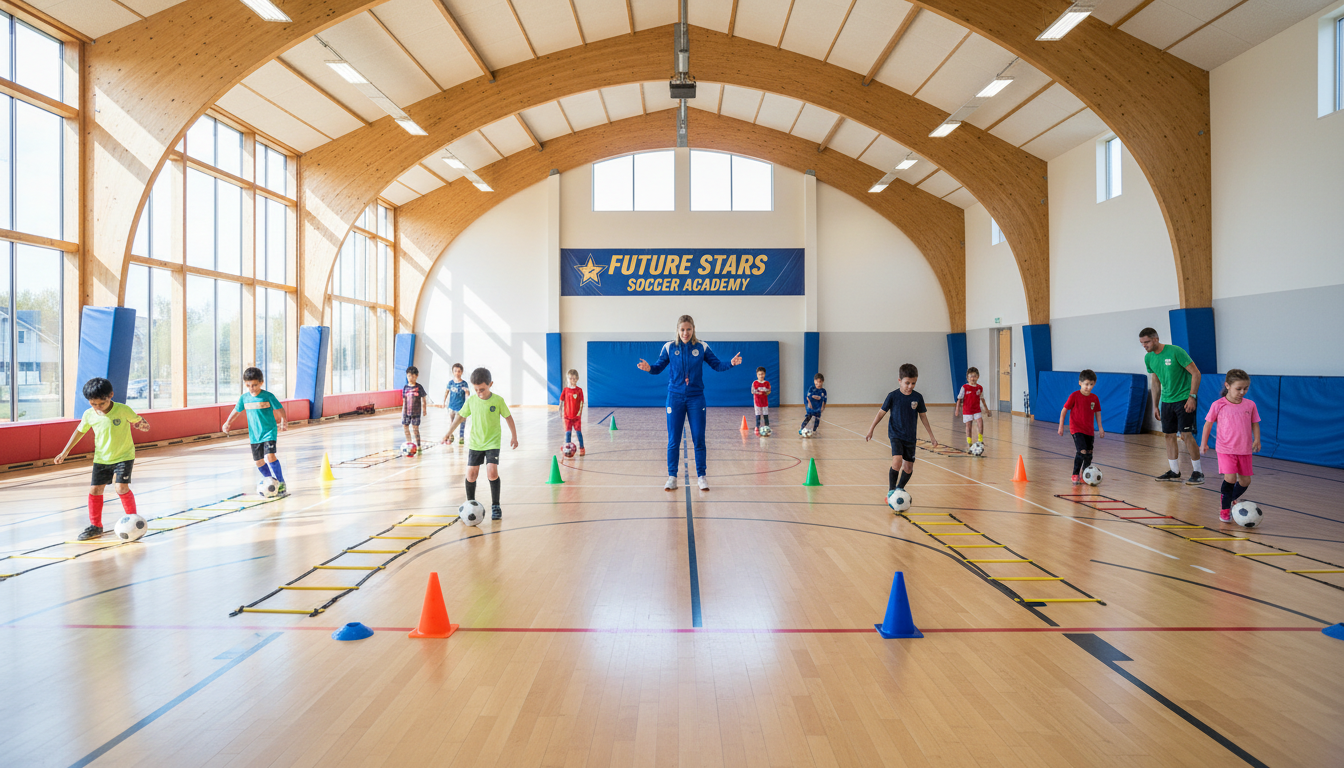
Sports activities often require coordination, balance, and agility. These skills are honed through regular practice and play. Whether it's kicking a soccer ball or shooting hoops, children develop better motor skills and enhance their overall coordination through these activities.
Mental Health Advantages
Beyond physical health, youth sports programs also play a significant role in promoting mental well-being. Participation in sports can lead to improved mood and reduced anxiety levels. The sense of accomplishment from achieving personal goals or winning a game boosts self-esteem and confidence.
Building Social Skills and Teamwork
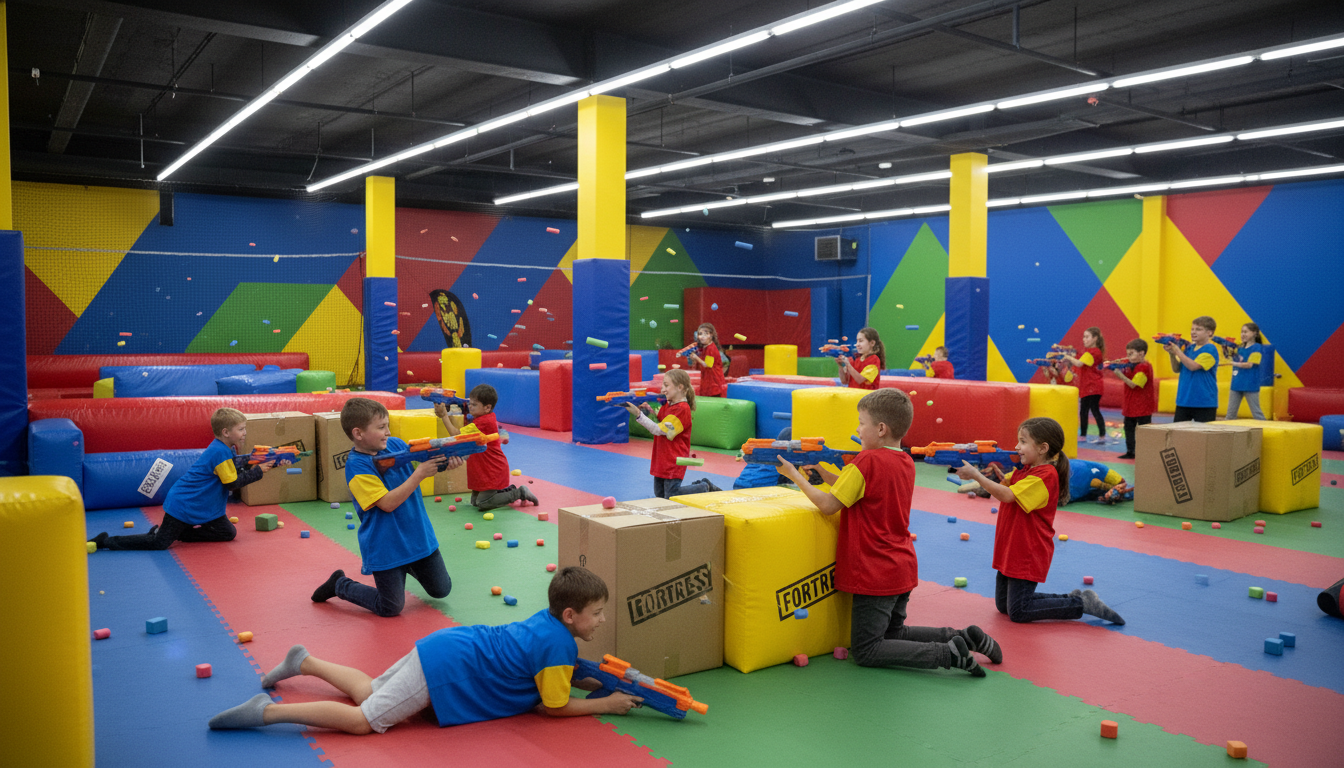
Sports provide an excellent platform for children to develop social skills. Being part of a team teaches children how to communicate effectively, cooperate with others, and resolve conflicts. These skills are invaluable and extend beyond the playing field into everyday life.
Additionally, the friendships formed in sports can provide a supportive network, reducing feelings of loneliness and isolation.
Academic and Life Skills Development
Engaging in sports can positively impact academic performance. Studies have shown that children involved in sports often have better concentration, discipline, and time management skills. These attributes contribute to improved academic outcomes.
Furthermore, sports teach resilience and perseverance. The challenges faced in sports, such as losing a game or overcoming a personal setback, help children develop a growth mindset and learn valuable life lessons.

Conclusion
Youth sports programs in BC offer a multitude of benefits that extend beyond physical health. By fostering mental well-being, social skills, and academic success, these programs contribute to the holistic development of young individuals. Encouraging participation in sports is an investment in the future health and success of our youth.